- Home
- Services
Curious How You Show Up in ChatGPT?
See where AI search recommends you, and where it recommends a competitor instead.
Driven by Values, Focused on Your Growth
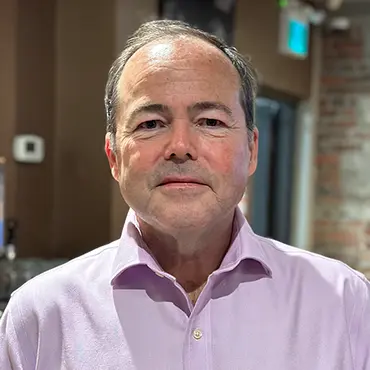
MacRAE’S founder, Hugh Owen, recognized early the rise of AI and digital acceleration. His vision defines MacRAE’S as a future-ready growth partner.
Curious How You Show Up in ChatGPT?
See where AI search recommends you, and where it recommends a competitor instead.
Driven by Values, Focused on Your Growth
MacRAE’S founder, Hugh Owen, recognized early the rise of AI and digital acceleration. His vision defines MacRAE’S as a future-ready growth partner.
Curious How You Show Up in ChatGPT?
See where AI search recommends you, and where it recommends a competitor instead.
Driven by Values, Focused on Your Growth
MacRAE’S founder, Hugh Owen, recognized early the rise of AI and digital acceleration. His vision defines MacRAE’S as a future-ready growth partner.
- AI SEO
Curious How You Show Up in ChatGPT?
See where AI search recommends you, and where it recommends a competitor instead.
Driven by Values, Focused on Your Growth
MacRAE’S founder, Hugh Owen, recognized early the rise of AI and digital acceleration. His vision defines MacRAE’S as a future-ready growth partner.
Curious How You Show Up in ChatGPT?
See where AI search recommends you, and where it recommends a competitor instead.
Driven by Values, Focused on Your Growth
MacRAE’S founder, Hugh Owen, recognized early the rise of AI and digital acceleration. His vision defines MacRAE’S as a future-ready growth partner.
Curious How You Show Up in ChatGPT?
See where AI search recommends you, and where it recommends a competitor instead.
Driven by Values, Focused on Your Growth
MacRAE’S founder, Hugh Owen, recognized early the rise of AI and digital acceleration. His vision defines MacRAE’S as a future-ready growth partner.
- Company


Contact US

Transcript
MacRAE’S (00:00)
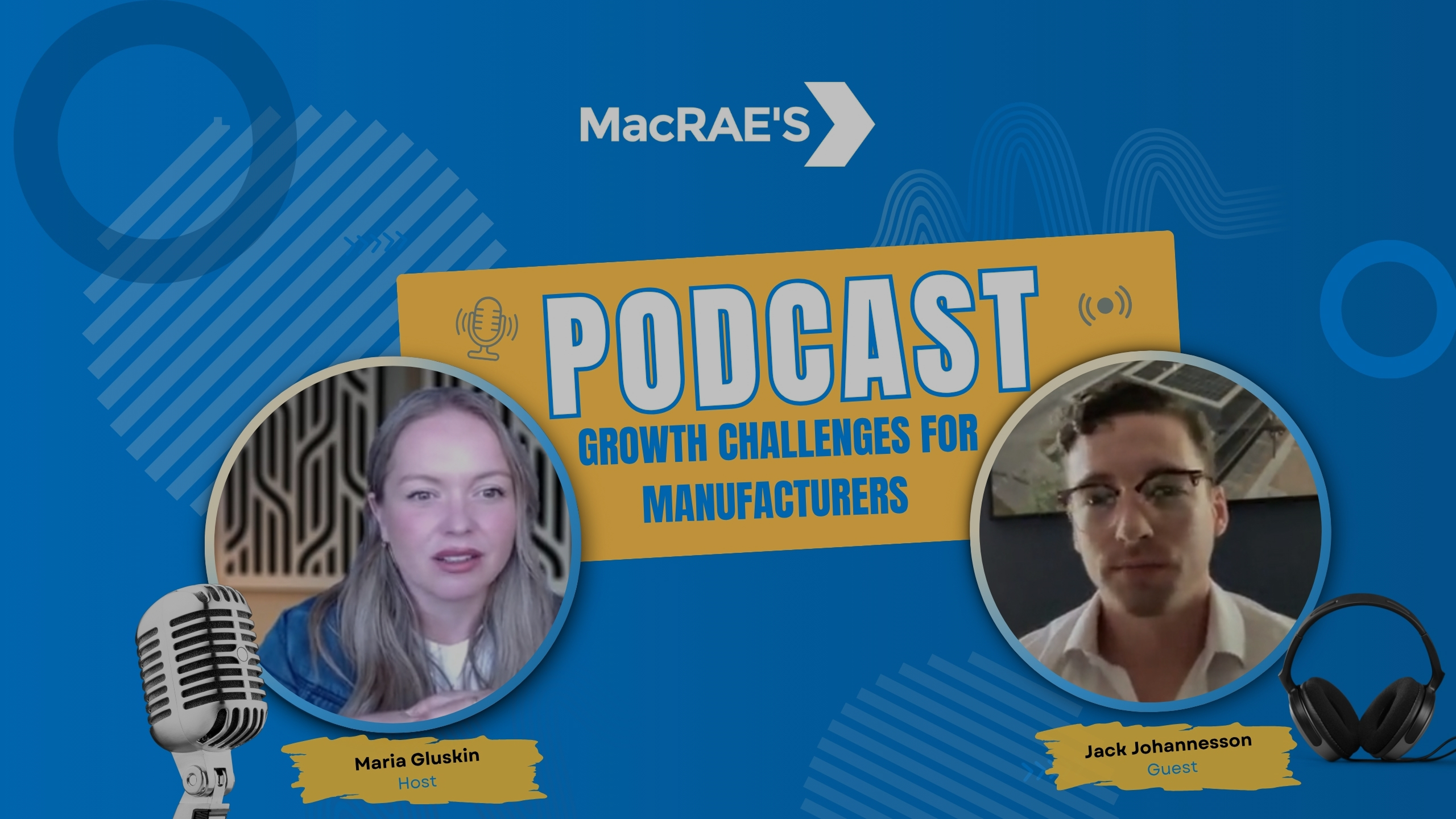
Hi everyone and welcome to the MacRAE’S Growth Challenge Podcast, Insight with B2B and manufacturing leaders, where we uncover their stories, strategies and solutions to overcoming growth challenges in their industries. I’m your host Maria and in each episode, we will dive deep with founders, CEOs and industry experts to explore how they scale, innovate and lead in today’s competitive landscape. So let’s get started.
Today we have Jack from Windfree Solar. Nice to meet you. How are you today?
Jack Johannesson (00:30)
I’m great, thanks so much for having me.
MacRAE’S (00:32)
Of course. Jack, why don’t you tell me a little bit more about your role at Windfree Solar ⁓ and how the company started and how has it evolved since its founding days?
Jack Johannesson (00:47)
Yeah, absolutely. So we have been around since 2009. I’ve been here since 2019. But we are a commercial and residential solar EPC. So we kind of are an all-inclusive solar company. We do roughly 250 to 300 residential jobs per year and about 30 or 40 commercial projects per year. So for commercial projects, that’s what I specify in.
We do a lot of public projects for counties, school districts, park districts, things like that. A lot of new buildings as well. And then private existing buildings too. So kind of a little bit of everything. Being in the industry so long, our portfolio is full of rooftop projects, grounds, awnings on the side of buildings, carports, batteries, kind of a little bit of everything in renewables. ⁓ So yeah, that’s a little bit about how we started.
⁓ Solar legislation and incentives, of even just grassroots following have really grown over time. So we’re really the beneficiaries of being in the industry before most people. And, you know, we were in the industry out of passion. And once a lot of the legislation and funds were kind of injected into the industry, we were in a really good position to grow because we already had more experience than most people.
And the industry has just really grown with us quite a bit. So we’ve been able to grow from kind of the first level of Illinois state incentive funding in 2018, 2021, we had the Inflation Reduction Act, and now, you know, we’re facing some issues with the tax credits ending, but we’ve kind of been through it all. And they call it the solar coaster for a reason. It’s a very appropriate term, but…
We’ve kind of seen it all, like I said, in solar and I think that that’s kind of helped us prepare for the future and combat the stuff we’re dealing with these days.
MacRAE’S (02:51)
So I guess what I’m gathering is that you guys are the trendsetters in your area.
Jack Johannesson (02:57)
We’re definitely one of them. That’s for sure. Definitely one of them.
MacRAE’S (02:59)
Okay.
You did mention something very interesting that you guys are driven behind with passion. Can you tell me a little bit exactly like what is it that you guys are passionate about?
Jack Johannesson (03:10)
Yes, I think that on a day-to-day basis, what we’re really passionate about is being the best solar company. I think that a lot of people, including myself, kind of get into this industry trying to really do your part to save the world. And that is what we’re doing, which is great. But like I said, when you get to kind of the nitty gritty of every day, we’re passionate about making the projects come to life.
be optimal, be on budget, on time, kind of just be a really tight, clean operation so the owners of these projects can be really big solar advocates and say that they had a great time, everything works well, we save a lot of money, so that can kind of trickle onto the future.
MacRAE’S (03:58)
How does that compare to, let’s say, projects
that your competitors do? What are some of the problems that your customers have that they’re not able to solve with your competitors and that’s why they go with you?
Jack Johannesson (04:10)
That’s a great question. ⁓ That’s actually, ⁓ I would call it pretty big issue in solar industry, ⁓ is that there are a lot of kind of bad players in solar. ⁓ We right now are working with a string of churches actually that were kind of ripped off by an installer coming from Texas to Illinois. ⁓ They got into some church, they basically got into some kind of church network where they were recommended.
to several churches and they all went with them. And they kind of left each project in the same point where they put panels on the roof, they took all their money and it doesn’t actually work. It’s not actually permitted and pat, you know, it was done just kind of, it looks like it’s done, but it doesn’t work. And we’re kind of having to come back, fix some of the engineering and the wire management, some things like that, get it repassed with inspection.
And so it actually turns on and works for these churches. So that’s one way. ⁓ But there’s been a lot of companies that, mean, some of our most reputable competitors over the years have come and gone through some of these just market ups and downs. And for us, we’ve been kind of insulated by some of that with quite a bit of like a slow and steady wins the race mindset. ⁓
We do a lot of cash deals compared to lot of financing. when ⁓ market interest rates fluctuate a lot, some companies may lose all of their residential clients if rates go up, ⁓ where we do a lot of cash projects. we also, the quicker that you take a project from beginning to end, the less chance that you will somehow lose that project. So what happened a few years ago,
this eliminated several of our residential competitors was interest rates raised quite a bit. Very suddenly, they had a very long window from start, from contracting to finishing the job. And in that downtime, a lot of their customers rates increased. They were financing the project. They decided, I don’t want to do this anymore. The rate is now no longer what I agreed to. So they all backed out kind of in mass.
and some of those companies went under because of that. not putting sales before execution, kind of growing very holistically. Like I said, slow and steady wins the race and just caring to do a good job.
MacRAE’S (06:46)
Yeah. ⁓
Those deals that are done with cash and then people basically losing out because of the interest, is that just commercial or is that something that residential customers experience as well?
Jack Johannesson (07:02)
I would say that more hit residential customers, honestly. ⁓ It would have an equal effect either way. There are a little, in my opinion, there are less commercial solar projects funded through the solar company because typically a business has a good access to credit and they can take on debt at better rates than I can provide it. But for residential,
MacRAE’S (07:29)
Yeah.
Jack Johannesson (07:31)
you’re kind of just gonna get the same rate whether you got it from your bank or from a solar supplier. So I think that it hit solar harder for residential just because some companies provide a lot of the financing. Some companies exclusively provide financing for every project. So those were the ones that were really damaged by this.
MacRAE’S (07:51)
Man, some people probably took such a big hit with their lives with those type of changes.
Jack Johannesson (07:56)
Yeah, absolutely. And there’s a, there are big ripple effects, you know, to things like that. And I mean, things like having too long of a project timeline is really, they could have gotten these projects done quicker and it wouldn’t have been as big of an effect because maybe only half of those people dropped out. So it is a big effect. People do lose their jobs. ⁓ Fortunately here, that hasn’t been the case. We’ve been on a pretty good upward trajectory ⁓ since I’ve started here.
MacRAE’S (08:13)
No, no, no.
Jack Johannesson (08:27)
And ⁓ yeah.
MacRAE’S (08:28)
Great. So obviously length of project is something that could be ⁓ looked at in order to provide a better service. ⁓ in your six years, six, seven years that you’ve been with the company ⁓ and you’re in sales, so how have customer expectations change in solar projects, whether residential or commercial?
What are new demands or criteria that you are seeing that are coming up that maybe didn’t exist a few years ago?
Jack Johannesson (09:01)
would say a lot of them maintain the same. There are kind of new deadlines that appear every few years, whether it be a net metering program ending or now the federal tax credit programs winding down. So there’s always kind of a hot topic of what clients have heard about in the news, what they want to talk about and make sure that they get addressed. ⁓ I would say that one thing kind of more technically though is
the inclusion of battery storage. That’s something that there was a little bit of it a few years ago, kind of a dry spell for a while, and now it’s kind of the hot topic in sustainability is battery storage, ⁓ mainly for a couple reasons. One being that the federal tax credit, it’s the same percentage as solar, so 30 % for the base tax credit, but that one is not ending. So that one is gonna continue to 2032.
So there’s a little bit of stability behind battery storage. Another is that batteries do a lot of different things to benefit an end user. ⁓ And it really depends on what market you’re in, but they are programmed to do several different things at once, whether it be ⁓ arbitrage rates, so pulling from the grid when it’s cheaper and expending that, ⁓ discharging that energy at the site when it’s more expensive.
or there are a couple different dates in the year that the utility is operating at its highest and you will pay a lot of money basically to use the grid at that time throughout the year. So they’ll program the batteries to figure out when those few times are and discharge then, which ends up saving you a lot of money throughout the year. So they work very smart. They’re very much smart items and the cost is a lot lower than solar as well.
the incentives end up really making for pretty incredible investments. They’re big projects, especially when you’re doing solar, but that’s something that we’re trying to get kind of ahead of the curve on. I think that a lot of our competitors are also trying to get ahead of the curve, because it’s a very, it’s new in the sense that a lot of people know about it and are hearing about it and how great it is. There’s not a ton of supply of large batteries.
There’s not a ton of case studies of them done, things like that. it’s kind of one of, solars like that, and then it’s interesting that things are talked about a lot earlier than they’re actually possible and happening, whether it be policies or new equipment like this. So yeah, I would say right now, battery storage is definitely the new thing that people didn’t use to talk about too much.
MacRAE’S (11:57)
Yeah, that’s amazing. It’s like a combination of two worlds coming together to improve. Like don’t ditch the old way completely and don’t completely go forward. Let’s find something that in the middle that is actually works for people and gives them what they need. ⁓ With AI and technology developing technology, things are moving so quickly. ⁓ What kind of systems are you guys using? Whether it’s like for…
Jack Johannesson (12:06)
Right.
Yeah.
MacRAE’S (12:23)
research and development or actual like product launching, or maybe even on the sales and marketing side, like how is AI and technologies have integrated into your business?
Jack Johannesson (12:34)
So I think it’s really interesting. I was having this conversation recently about AI and that we’re using the term AI. I would like to compare it almost to like rap music and that there’s a big umbrella of what’s considered to be rap music. And it could, you know, can sound completely different from something else you consider to be that. I think AI is kind of similar in that using one term is kind of misleading because
For instance, I’m in sales here, but I oversee our marketing team as well. We kind of go hand in hand. And they use AI a lot for gathering up potential prospects that we can talk to or putting together our newsletters or social media posts, things like that, trying to better our video content. And then you can use AI for completely other things. Like I think that it would be a really good application for programming some of these battery storage systems.
So it’s just really there’s so many different ways to use AI from like just from a company like us from marketing perspective to operations to Having the equipment operate optimally in the field. I think that right now we’re really not even scraping the surface on what we can do with AI, but I think that’s also something that we’re trying to stay ahead of the curve as best we can without ⁓
delaying our current operations because I think that one thing is is that AI helps things get streamlined, but there is a little bit of a learning curve to getting whatever it is kind of set up and adjusted correctly. So in the world we live in, business never stops. It’s always busy time. So I think we’re trying to just kind of get our arms around some of that so that we can kind of launch it and start to see the efficiencies of.
MacRAE’S (14:31)
1000%. I totally agree with you. I think the analogy of the rap music is so true. And how people define rap music is so true. It’s just there’s, if you were born in the 80s or the 90s, you have a certain definition of it. And if you are, you know, came into it in the 2010s and later on, you have a completely different and it could be used in so many different ways. I love that. ⁓
I see this all the time on our end as well. Like we are an AI based digital marketing agency and we implement so much AI, but just making sure that you can get the AI to do what you need it to do that artificial intelligence. Basically, ⁓ it does take a little bit of tweaking because it’s not quite as smart as a human. I think my favorite part about it was how it kind of takes off the load and lets people focus on creativity.
which is something that the AI can do quite yet, but the actual creativity and how to shape it and how to kind of give it the right prompts and systems and stuff like that. So then it could just rapidly create more and more of the things that once you nail them down. ⁓ You did mention that you guys ⁓ use definitely some content strategy and SEO and digital marketing, and then for sales optimization. ⁓
Jack Johannesson (15:44)
Right.
MacRAE’S (15:55)
How do you think delivering some product that is so technical, how do you guys use that in helping people find you? Because it must be hard to just explain it in two sentences because nowadays people, the way that they even search solutions, right? It’s so different. No longer people are just searching keywords. It’s that they’re searching for.
the solutions to their problem. How are you guys on that end? How are you adapting to that? What are you doing, especially because you have such a technical product?
Jack Johannesson (16:28)
Yeah, that’s a great question. So we’ve always kind of thought that being a local, regional, ⁓ more of a boutique firm, that we want to be who people find when they’ve done some research about solar. We really don’t convince anybody to go solar. We want to provide for the people that have decided they want to do this. They’ve educated themselves a little bit on it.
and they’re just looking for the best provider. So that’s kind of been our mantra for a long time. And we’ve kind of invested in that by having to have our website hopefully be as useful as possible to those people. And so that when they find us, they find the right thing. ⁓
In terms of how we’ve kind of transitioned that and used AI for it, I would say right now, my weekly meetings with the marketing team, a big part of what we look at as a metric is our results from AI generators, like ChatGPT. And I’m not the marketing whiz, but we’re able to see kind of like how ⁓ many times we’re popping up when someone asks in ChatGPT, know, who’s a good Illinois?
solar installer, it’s coming up as us. That’s something that we’re monitoring a lot and we’re really trying to keep a high standing on those search results. Like we’ve always tried to with Google, now it’s kind of like shifting to a platform like ChatGPT. We want to make sure what we’re doing is getting kind of fed into those AI programs so that we can be spit out of those programs to people.
MacRAE’S (18:10)
It’s so great to hear you say that because so obviously our podcast is very manufacturing ⁓ forward. ⁓ And a lot of companies, especially manufacturing, and you could probably even attest to that, is that they still rely very heavily on traditional lead generation ways. And I’m sure like building relationships is never going to go away. I don’t think anytime soon, maybe some,
the data could be really used with AI. But as far as like actual trust, don’t think that, I think humans still have like a really big part here. And however, I find that a lot of manufacturing companies specifically are still relying on those old ways of ⁓ generating leads. So going to trade shows, know, internal relationships, all of that stuff, their little book of contacts, you know, but.
I think that there’s such a missed opportunity when they don’t focus on how people are going to be searching and finding solutions where their product is going to be lined up. It’s very rare that you hear a company that is in a technical space that is actually thinking about appearing in GEOs, which are the Generative Search Engines. ⁓ So the fact that you guys are already thinking about it, already getting some performance from that, that’s amazing.
because then your lead income, like where you actually gonna get inbound leads, is just gonna grow so much faster because right now, this is really the opportunity. This is when SEO 10 years ago, when it came out, right? Or when Instagram came out or when crypto came out, like we missed so many of those chances as businesses and this is the new opportunity right now. ⁓ I think you probably see it the same way as well.
Jack Johannesson (20:01)
absolutely. And like I said, I mean, we’re, we’re trying to stay ahead of the curve on this stuff, but we’re, we’re still feeling our way around it as well. I mean, you know, we’re, we’re checking these metrics. I’m glad, like you said, that we are looking at it, but I think we have a long way to go as well to like really making the most of what, I don’t even know the most of what AI can do to help us to be honest, but I think just as it grows, we’ll continue kind of feeling it out and just having our ears open.
MacRAE’S (20:17)
Yeah.
Yeah.
Jack Johannesson (20:31)
eyes open
MacRAE’S (20:31)
Yeah.
Jack Johannesson (20:31)
to new developments. And I mean, we’re just talking about the, think Sora 2, it’s called, came out. Right. I heard like, barely know about this. I know about it as a consumer, but you even just hearing stuff like that as a consumer, making sure I talk to the people on my team who are experts in that kind of stuff and making sure that we’re at least identifying if it can help us. And if there’s something
MacRAE’S (20:38)
The video ones, they’re only by invite though, only by invite. You have to have an invite.
Jack Johannesson (21:00)
you know, we can do with
MacRAE’S (21:02)
In the sales role for yourself, ⁓ would you say that the leads that you get, are they mostly outbound or inbound, half and half? How does it go for you?
Jack Johannesson (21:12)
Most of the leads that we get for commercial are based on reputation, referrals, events, past projects, because we do a lot of work like on new buildings with other general contractors and electric contractors. Also, when a lot of the public entities I mentioned, like a park district goes solar, they typically are their own general contractor in a way for those.
MacRAE’S (21:33)
Yeah.
Jack Johannesson (21:39)
We’ve done a lot of park districts. We’ve done a lot of work with general contractors. So we are kind of, I’ve spent a lot of the last few years trying to get into these networks and you know, like you said, more traditional methods like going to events. We do both. We try to have a really holistic approach to it, being a smaller company and trying to just be the solar guy or the solar gal for other companies because people run across projects.
Architecture firms are a good one as well, where they see their solar in it and they don’t know how to deal with that. They’ve only dealt with building buildings without solar. They don’t know if it’s the GC’s job, the electrical team’s job. They don’t know whose job it is. But if they have met me before at an event that they’ll know to send it to me, I can get them stuff and kind of get the ball rolling. That’s a lot of the past few years. What our commercial leads have been like because a lot of new buildings.
and just retrofitted buildings have been either wanting to be LEED certified or net zero, or they’re getting some kind of grant money that is contingent on sustainability measures. And when they inject kind of rules like that, they have to find a solar person. So again, just trying to be in those networks because those opportunities do pop up pretty often. And we just try to be who they call.
MacRAE’S (23:05)
Yeah, I love that. Is that the same thing for you guys on the residential side as well?
Jack Johannesson (23:11)
Not at all, actually very, very different. We get a lot of those, a lot of referrals. We’ve been in business a long time. We’re a local company, so word does get around, which is great. In addition to that, a lot of our residential sales come from group buy programs that we do. So we do a few of them throughout the year. We’ve done them for several years, and they’re typically with a county in conjunction with the Citizens Utility Board.
just like a consumer advocacy group. So basically how these group buys work, there’s a third party who will ensure for a group of people at say a town or a county that we’re gonna provide you a quality vetted installer, a vetted panel, inverter, all the equipment is gonna be kind of You’re gonna know that you’re getting a good team, good stuff, good warranties. Everyone’s getting the same thing and you’re getting a bulk price.
Those are usually open for a couple months and we get a ton of projects that way. So we were, mean, that kind of goes to us being kind of in those networks of those counties. ⁓
MacRAE’S (24:22)
going to say you guys have your really
well networked with the right people who might have projects coming up, whether it’s commercial or commercial and then trickle down to residential, you seem to be really integrated with the right people.
Jack Johannesson (24:37)
Yeah, we try to be. These group buys have been going on since 2020. We’ve been doing them since then. So it’s just being in business around a long time and kind of just continuing to, I mean, like I mentioned before, like what are we passionate about is doing a good job. Cause I think we’re very much in it for the long game, not the short game. We’re not trying to have one project, cut some corners and make some extra money. We really want to build the reputation cause that’s, that’s how we get most of our business and definitely our best business.
MacRAE’S (25:08)
Yeah. And you’re a hundred percent right about what you said earlier, like taking, ⁓ building trust takes a lot of time, but you can literally do one thing wrong. And that’s it. That’s all that you’re remembered for. Right. Yeah. Jack, as we wrap up here, if you could give one piece of advice to other companies in, you know, technical field, whether it’s manufacturing, energy, infrastructure that are looking to adopt.
Jack Johannesson (25:19)
Absolutely. Absolutely true.
MacRAE’S (25:34)
more visionary growth and digital strategies and, you know, just get ahead of the curve. What would that be?
Jack Johannesson (25:41)
So I’m actually going to steal a piece of advice I read recently. ⁓ A friend and former coworker of mine, Tim Montague, he’s a big podcaster in the sustainability space. He just released a book and this is something that I kind of knew, but it brought it back to my head is that, you you can get kind of frustrated ⁓ when things are taking a while to progress and you’re really trying to get some deal to close or, you know, just…
things are getting kind of stale for whatever reason, especially in sales. But my advice would be to revert back to being an educator and not trying to close a deal, especially in a technical field like this, but be as good of an educator as you can because you’re gonna end up building trust and maybe it doesn’t work out with whoever you’re talking to. But if you answer all their questions thoroughly and you give a genuine
give them some real education on the subject, it’s gonna leave a lasting effect and they’re gonna refer you to someone else even if they don’t work with you versus if you get a little bit frustrated, you want things to go a little quicker, it’s really gonna work the opposite. so just kind of staying true to being an educator, sticking to the passion part and not really worrying as much about the results would be my advice.
MacRAE’S (27:05)
That’s really, really great advice. And it’s so true. Like never ever acting out of desperation or a low vibration of energy ever resulted in any type of good outcomes in personal life, in professional life, right? Like it’s just never a good approach, especially in sales, because it’s such a big energy exchange and such a trust-based ⁓ system in order to grow businesses. Yeah, absolutely.
Jack Johannesson (27:31)
Yeah, absolutely.
MacRAE’S (27:34)
Well, Jack, thank you so much. This was so lovely. Thank you so much for coming and sharing your insights with us today.
Jack Johannesson (27:40)
Thank you. I really appreciate being on. Thank you.
MacRAE’S (27:43)
So thanks. Okay,
so I’m gonna.
- Focus on cash deals rather than financing-dependent projects
- Shorter project timelines from contracting to completion
- Holistic growth without putting sales before execution
- Quality over quantity in every installation
- AI for administrative efficiency and proposal generation
- Digital design tools for creating professional solar layouts
- Modern project management systems
- Staying current with emerging technologies like advanced AI video generation tools
- 1. Experience matters: Early entry and sustained presence create competitive advantages
- 2. Quality over speed: Slow, steady growth beats aggressive expansion
- 3. Trust is everything: One mistake can undo years of reputation building
- 4. Adapt to technology: Embrace AI and digital tools to compete efficiently
- 5. Network strategically: Build relationships in the right circles for your industry
- 6. Educate, don’t sell: Focus on being helpful rather than closing deals
- 7. Plan for volatility: Industries change; be prepared to ride the waves
More Podcasts
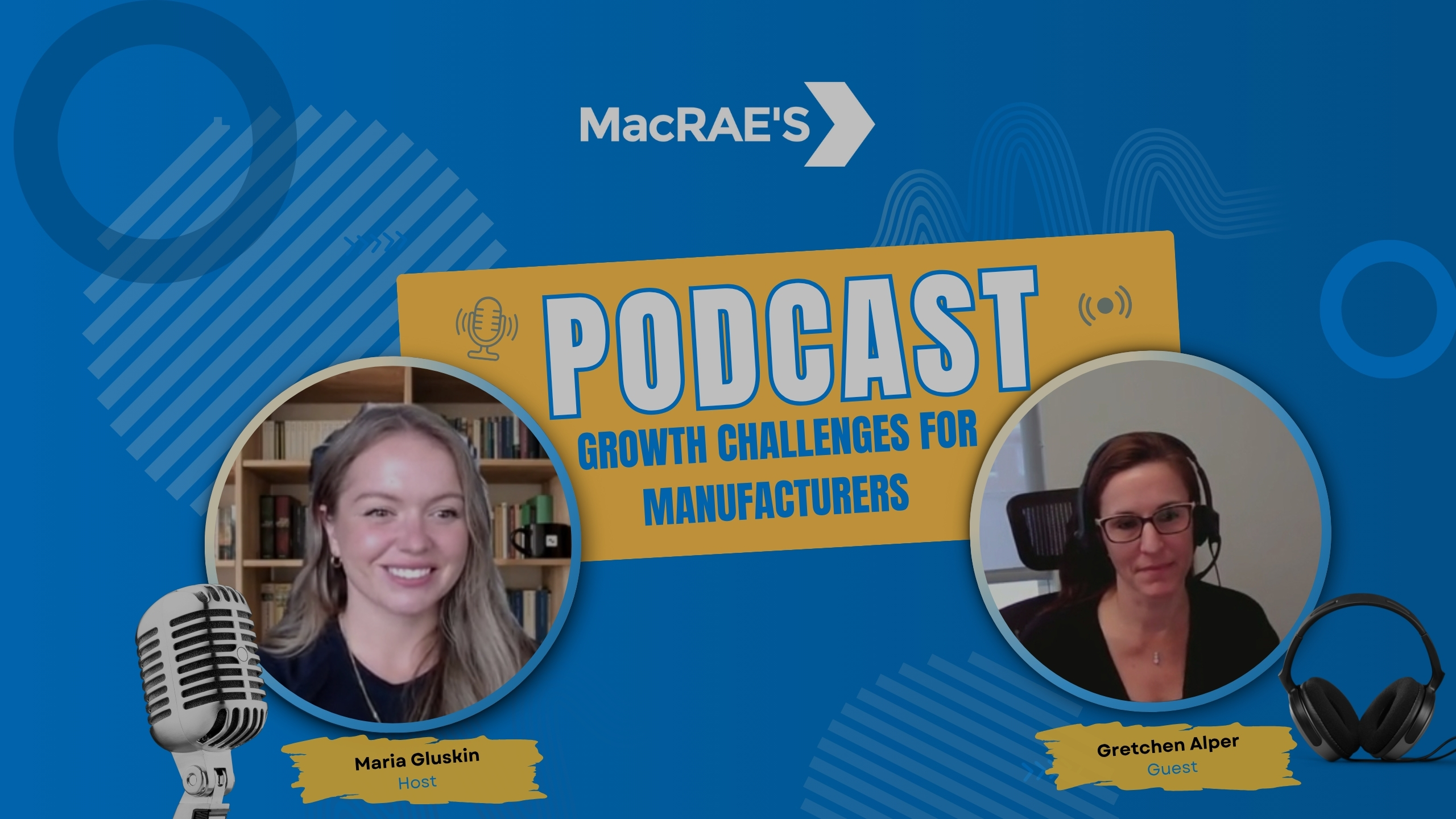
Standing Out in a Competitive Market: How AT Sensors is Navigating the AI Era
November 3, 2025 18:23
Watch Podcast →
From Online to Everywhere: How Obvi Scaled from D2C to 20,000 Retail Doors
November 3, 2025 16:05
Watch Podcast →
How Assett Transforms Female Founders Through Strategic Branding
November 3, 2025 14:48
Watch Podcast →