
Contact US

How Google Gemini Ranks Content: Key Signals You Must Optimize for in 2026

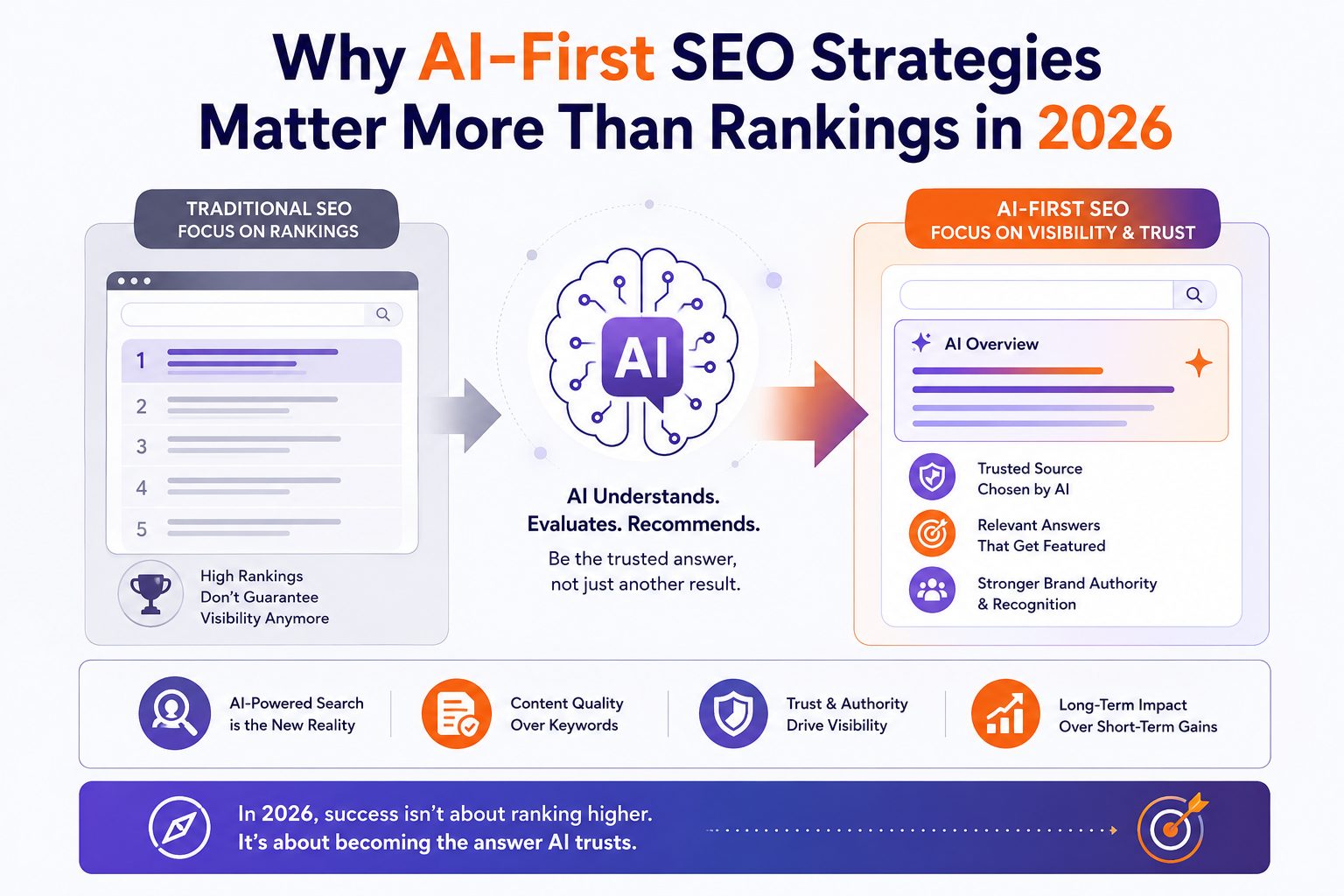
Search has entered a new phase where AI-driven interpretation sits at the center of visibility. SEO for Gemini is no longer an extension of traditional optimization tactics but a distinct discipline shaped by how Google’s AI systems understand, synthesize, and present information. In 2026, ranking success increasingly depends on whether content is selected, summarized, and trusted within AI-powered results rather than simply indexed and ordered.
This evolution has raised the bar for content strategy. Gemini evaluates meaning, reliability, structure, and multimodal signals together, creating a more holistic ranking framework. For B2B organizations, aligning content with Gemini AI and Google Gemini SEO principles has become essential for maintaining search presence as AI Overviews and conversational results continue to expand.
What Makes Gemini Different From Previous Google Algorithms in SEO for Gemini
Gemini differs from earlier Google algorithms because it operates as a multimodal, reasoning-based system rather than a ranking-only engine. Traditional algorithms focused heavily on matching queries to documents. Gemini interprets intent, evaluates multiple sources, and generates synthesized responses that reflect a deep understanding of context.
SEO for Gemini prioritizes interpretability over optimization shortcuts. Content is no longer evaluated in isolation. Instead, Gemini considers how information connects across entities, formats, and authoritative references. This shift explains why SEO for Google Gemini emphasizes structure, clarity, and trust rather than keyword frequency or link volume alone.
Core Ranking Signal #1 — Entity Strength and Knowledge Graph Alignment in SEO for Gemini
Entities form the foundation of how Gemini understands the web. An entity can represent a company, product, service, or concept. Gemini maps these entities within Google’s Knowledge Graph and evaluates how consistently they are defined across sources.
Strong entity signals in SEO for Gemini AI include:
- Consistent naming and descriptions across web pages
- Clear association between services, industries, and capabilities
- Structured data that reinforces entity relationships
When entity signals remain fragmented or inconsistent, Gemini struggles to classify content accurately. SEO for Google Gemini, therefore, requires deliberate alignment of entities across owned content and authoritative external references.
Core Ranking Signal #2 — Contextual Relevance in SEO for Google Gemini
Context determines whether content truly addresses a query’s intent. Gemini evaluates how well information explains relationships, processes, and outcomes rather than relying on surface-level keyword alignment.
SEO for Gemini emphasizes:
- Logical content flow that mirrors search intent
- Clear explanations that connect concepts meaningfully
- Alignment between headings, subtopics, and conclusions
Contextual relevance helps Gemini determine whether content should contribute to an AI-generated answer or be excluded. Pages that lack cohesive context often fail to appear in AI Overviews despite strong traditional SEO metrics.
Core Ranking Signal #3 — Content Quality and Information Reliability in SEO for Gemini AI
Content quality in Gemini’s framework goes beyond readability. Gemini evaluates factual accuracy, consistency, and alignment with trusted sources. Information reliability plays a central role in determining whether content is surfaced within AI-generated responses.
SEO for Google Gemini prioritizes:
- Accurate, well-supported claims
- Clear differentiation between facts and opinions
- Alignment with authoritative industry sources
Inconsistent or outdated information weakens confidence signals. Gemini cross-references content across multiple datasets, making reliability a critical ranking factor in Gemini SEO strategies.
Core Ranking Signal #4 — Multimodal Support (Images, Videos, Diagrams) in SEO for Gemini
Gemini’s multimodal capabilities represent one of its most significant departures from earlier algorithms. The system evaluates text alongside images, diagrams, and videos to build a richer understanding of content.
SEO for Gemini AI benefits from:
- Visual assets that support and clarify textual explanations
- Descriptive metadata that helps Gemini interpret non-text elements
- Consistent alignment between visuals and surrounding content
Multimodal support strengthens comprehension, particularly for technical or process-driven topics. SEO for Google Gemini increasingly rewards content that communicates effectively across formats rather than relying solely on text.
Core Ranking Signal #5 — Technical Foundation and Structured Understanding in SEO for Gemini
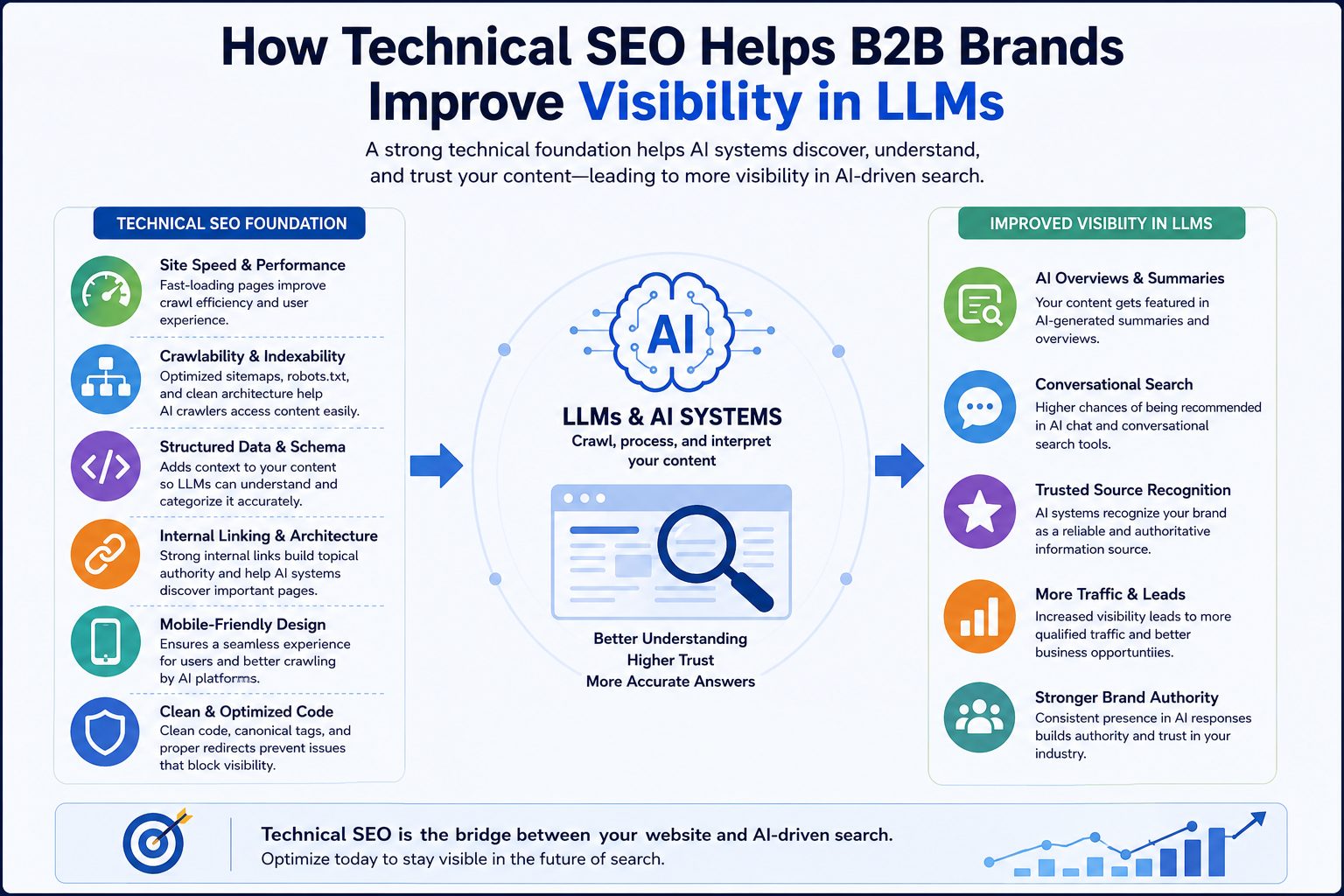
Technical SEO remains critical, but its role has shifted. Instead of supporting crawlability alone, the technical structure now supports machine understanding.
Key technical factors in SEO for Gemini include:
- Clean, logical site architecture
- Proper use of structured data and schema
- Fast load times and accessible design
Structured understanding allows Gemini to interpret relationships between content sections, entities, and media assets. Weak technical foundations reduce Gemini’s ability to synthesize information accurately, limiting the inclusion of the AI Overview.
Core Ranking Signal #6 — Content Depth, Breadth, and Topical Authority in SEO for Google Gemini
Gemini evaluates topical authority by assessing how comprehensively a subject is covered across related content. Single-page optimization is no longer sufficient.
SEO for Gemini AI Favors:
- In-depth explanations supported by related content clusters
- Coverage that addresses multiple aspects of a topic
- Consistent reinforcement of subject matter expertise
Depth and breadth signal that content reflects sustained knowledge rather than isolated insights. SEO for Google Gemini, therefore, rewards organizations that demonstrate long-term topical commitment.
How Gemini Uses These Signals to Populate AI Overviews in SEO for Gemini
Gemini synthesizes information by evaluating all ranking signals together. Entity strength establishes identity, context establishes relevance, quality establishes trust, and multimodal and technical signals support comprehension.
When these elements align, Gemini selects content to populate AI Overviews and conversational answers. Weakness in any signal reduces confidence and limits inclusion. SEO for Gemini requires a balanced approach rather than optimizing for individual factors in isolation.
Practical Optimization Checklist for Gemini in 2026 Using SEO for Google Gemini
A structured approach supports sustainable optimization:
- Audit entity definitions and standardize terminology
- Restructure content for contextual clarity and intent alignment
- Validate accuracy and update outdated information
- Integrate meaningful visual assets with descriptive metadata
- Strengthen technical structure and schema implementation
- Build topical depth through interconnected content
This checklist reflects the operational reality of SEO for Gemini AI, where optimization is continuous rather than campaign-based.
Prepare for an AI-Driven Future of Search With SEO for Gemini
Gemini has reshaped how content is evaluated, ranked, and presented. Success now depends on entity clarity, contextual relevance, reliable information, multimodal support, technical structure, and topical authority working together. SEO for Gemini is no longer optional for organizations that rely on search visibility as a growth channel.
Preparing for this AI-driven future requires strategic alignment rather than incremental adjustments. MacRAE’S helps B2B organizations implement SEO for Gemini AI and SEO for Google Gemini strategies that support long-term visibility within AI Overviews and evolving search experiences.
Connect with MacRAE’S to build a Gemini-ready SEO foundation for 2026 and beyond.