



Contact US

The Art of Visual Storytelling: Engaging Users Through Web Design
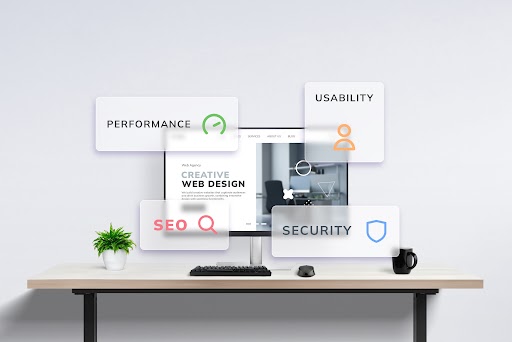
Visual storytelling has revolutionized the way brands connect with their audience. By weaving narratives through visuals, web design transcends traditional communication methods, capturing attention and fostering deeper emotional connections. A web design company that prioritizes storytelling can deliver exceptional user experiences while enhancing brand identity and engagement.
What Is Visual Storytelling in Web Design?
Visual storytelling is the craft of conveying narratives through images, typography, colors, and layouts. Unlike textual content, visual elements are processed instantly, leaving a lasting impression. Whether it’s a compelling hero image or a well-placed color scheme, these components create a narrative flow that resonates with users.
Web design services rooted in storytelling don’t just build aesthetically pleasing websites—they craft experiences. These experiences engage users, making them more likely to explore, connect, and act. A proficient website design agency understands this principle and integrates it seamlessly into their projects.
Key Elements That Shape Visual Storytelling
Effective visual storytelling relies on several foundational elements. Each component plays a role in creating a cohesive narrative.
Imagery
Images convey emotions faster than words. They set the tone of the website and guide users’ perceptions. For instance:
- A nonprofit may use emotive photos to inspire empathy.
- A tech brand might showcase sleek, futuristic visuals to highlight innovation.
Carefully curated imagery should align with the brand’s values and story, enhancing its appeal.
Typography
Typography isn’t just about readability; it’s an emotional tool. Different typefaces evoke distinct feelings:
- Serif fonts represent tradition and reliability.
- Sans-serif fonts feel modern and approachable.
Bold headlines and thoughtfully arranged text can guide users, emphasizing the narrative’s key points.
Color
Colors carry psychological weight and evoke emotions. For example:
- Red symbolizes urgency and passion.
- Blue conveys trust and calm.
- Green represents health and growth.
A website design agency skilled in color psychology ensures that the chosen palette reflects the brand’s identity while complementing the story.
Layout
The layout dictates how the story unfolds. Strategic placement of visuals and text creates a logical flow, leading users seamlessly through the narrative. For example, an “About Us” page might start with a striking hero image, followed by sections detailing the company’s journey.
Benefits of Visual Storytelling for Your Website
Visual storytelling isn’t just about aesthetics; it delivers tangible benefits for businesses.
- Drives Emotional Engagement
Humans are inherently visual creatures. First impressions are formed within milliseconds, primarily based on visuals. A cohesive design builds trust, while disorganized layouts can drive users away.
Emotive visuals create deeper connections. For example, a charity’s website showcasing impactful imagery can inspire donations or volunteering.
- Enhances User Experience
Visual storytelling improves navigation and accessibility. Instead of overwhelming users with text, it provides digestible content. For example, a product timeline with visuals and brief captions is far more engaging than a lengthy paragraph.
This strategy subtly guides users toward desired actions, such as signing up for newsletters or making purchases.
Also Read-
Tips for Developing a Great Website
The Importance of Refreshing Your Online Presence with Web Development
Tips for Incorporating Visual Storytelling
To make visual storytelling effective, follow these best practices:
- Start With a Clear Narrative
Define your story’s core message. Whether it’s adventure, innovation, or trust, ensure every design choice supports this theme. - Invest in High-Quality Visuals
Poor-quality images can damage a brand’s credibility. Use sharp, professional photos, custom illustrations, or well-crafted graphics. - Be Thoughtful With Interactivity
Interactive features, like scroll-triggered animations or clickable elements, create immersive experiences. They also encourage users to explore further.
Why You Need a Professional Web Design Company
Achieving effective visual storytelling requires expertise. A skilled web design company brings your brand’s narrative to life through thoughtful design. They:
- Combine imagery, typography, and layout to enhance storytelling.
- Ensure color choices resonate with your audience.
- Leverage interactivity for deeper engagement.
Working with a professional ensures your website isn’t just functional but also compelling. A top-tier website design agency makes this process seamless, delivering websites that capture and hold user attention.
Elevate Your Web Design Strategy Today
Visual storytelling transforms how users perceive and interact with your brand. By focusing on impactful design elements and emotional engagement, you can create a website that leaves a lasting impression. Ready to tell your story?
Contact MacRAE’S today and let our experts craft a visually compelling website tailored to your brand’s story.


