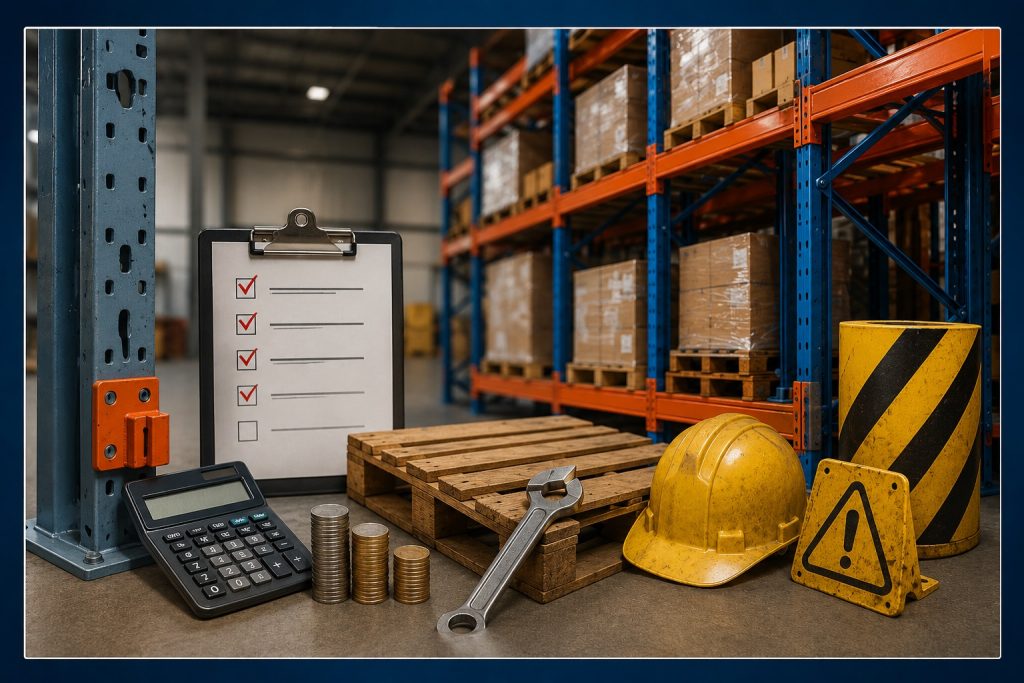

Procurement decisions for pallet racking systems often focus on upfront pricing. Operational and structural costs typically emerge after installation. These costs impact system performance, safety compliance, and long-term facility efficiency.
With industrial pallet storage racks, material selection, floor capacity, inventory flow, and system integration all influence total lifecycle cost. The factors below outline key considerations across a Pennsylvania facility environment.
1. Material Selection Failures in Pallet Racking Systems
Roll-Formed Versus Structural Steel
Roll-formed components are manufactured by shaping sheet steel into lighter profiles. Structural steel components are hot-rolled and bolted, offering higher load capacity and improved impact resistance. Using roll-formed steel in high-load applications increases wear at connection points. This leads to earlier replacement cycles and higher long-term costs.
High-Traffic Environment Risks
Facilities with frequent forklift movement expose rack uprights to repeated contact. Even minor impacts can weaken roll-formed structures over time. Structural steel systems maintain alignment more effectively under these conditions. Material durability directly affects system stability and maintenance frequency.
2. Overlooking Floor Slab Capacity and Compliance Requirements
Concrete Strength and Anchoring
High-density industrial pallet storage rack systems concentrate load across a limited footprint. Inadequate slab capacity leads to baseplate movement and upright misalignment. This compromises structural integrity. Verifying slab strength, anchor specifications, and load distribution during design prevents costly corrections after installation.
Permitting and Fire Protection Systems
Facilities handling high-piled storage must comply with fire protection regulations. In-rack sprinkler systems may be required once storage exceeds regulated thresholds. Retrofitting these systems after installation increases labor and material costs. Early planning reduces disruption and supports compliance.
3. Misaligned Inventory Flow and Rack Configuration
Matching Rack Type to SKU Movement
Pallet racking systems must align with inventory turnover patterns. Push-back systems support last-in, first-out storage for consistent SKU profiles. Flow systems enable first-in, first-out movement for high-velocity inventory. Selecting the wrong configuration reduces picking efficiency and increases handling time.
Impact on Throughput and Space Utilization
Standard selective racks require aisle access for each bay. In high-density environments, this layout reduces storage capacity and increases travel distance. Drive-in and flow configurations improve space utilization when properly applied. System selection directly affects throughput and labor efficiency.
4. Omitting Safety Accessories and Structural Components
Required Protective Elements
Pallet racking systems require column protectors, row spacers, and proper decking to maintain stability. Missing these components increases the risk of load displacement and structural damage. Safety elements function as integral parts of the system rather than optional additions.
Inspection and Maintenance Implications
Industrial pallet rack shelving systems must comply with relevant inspection standards. Systems without adequate protection experience more frequent damage. This results in increased inspection cycles and higher maintenance costs. Early inclusion of safety components reduces long-term operational risk.
5. Skipping Professional Installation and System Integration
Installation Accuracy and Load Path Integrity
Improper installation introduces misalignment and anchoring issues. These errors affect load distribution and system performance. Professional installation ensures that rack components function as a unified structure under operational conditions.
Integration with Conveyor Systems
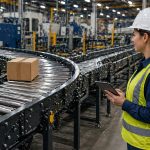
In many facilities, pallet storage connects directly with material handling systems. Integrating racking with proper conveyor rollers, pulleys, and belts supports continuous product movement. Misalignment between storage and conveyor systems creates bottlenecks and reduces efficiency. Coordinated system design improves overall workflow performance.
Operational Impact Across Industrial Facilities
Hidden costs in pallet racking systems extend beyond installation. They influence uptime, labor efficiency, and equipment lifespan. Facilities that account for material durability, structural requirements, and system alignment experience more predictable performance. Small design decisions often lead to measurable cost differences over time.
Facilities operating in Pennsylvania, United States, often encounter variable load conditions and regulatory requirements. These factors increase the importance of early planning and system-level evaluation.
Supporting Long-Term System Performance
Pallet racking systems are a critical part of industrial material-handling infrastructure. Managing hidden costs requires a focus on design, compliance, and integration rather than initial pricing alone. Aligning storage systems with operational requirements reduces long-term risk and improves efficiency.
Businesses evaluating heavy-duty industrial pallet rack systems can contact Heinrich Brothers Inc. to assess rack configurations and integrate conveyor components to support consistent performance across the facility.